Build the route
Split is the natural gateway, with an airport, historic centre and ferries to Brač, Hvar, Vis and Korčula. Dubrovnik is spectacular but geographically separate from the central island network; it works best as an arrival or departure point rather than a quick detour. Zadar and Šibenik offer easier access to northern islands and national parks.
Hvar town combines Renaissance stonework, restaurants and nightlife. Brač is simpler and has the famous Zlatni Rat beach near Bol. Vis feels more remote, with excellent coves and a slower evening rhythm. Korčula offers a handsome old town and vineyards. Choose two islands rather than collecting ports: each transfer includes boarding time, luggage and the possibility of a delayed sailing.
Swimming and scenery
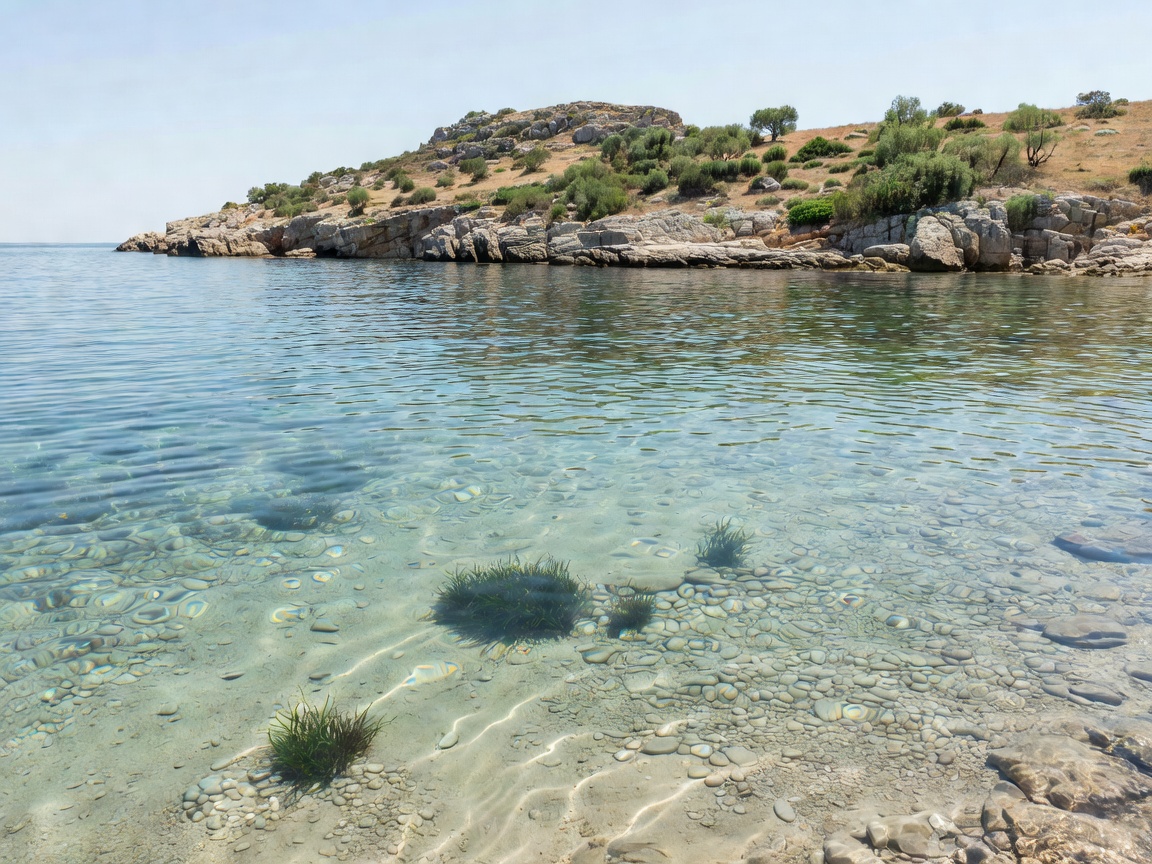
Most beaches are pebbly, rocky or concrete platforms, which keeps the water exceptionally clear. Bring reef shoes and a compact towel. Zlatni Rat changes shape with wind and currents, while Stiniva on Vis is dramatic but small and crowded by midday. The Pakleni islands outside Hvar are ideal for a half-day boat trip. National parks such as Krka and Kornati add freshwater waterfalls or open-sea landscapes when you need a break from beaches.
Transport and prices
Passenger catamarans are fast but sell out on popular summer routes; car ferries are slower and useful if staying on larger islands. Check the official Jadrolinija and local operator timetables because seasonal routes vary. A simple double room may cost €80–€180 in shoulder season and €180–€350 in July or August. Allow €100–€180 daily for two for meals, local transport and one activity.
Rental cars help on Brač and Korčula but can become a liability in old towns. Reserve accommodation with clear instructions for luggage drop-off. Many small coves have no shade, toilets or shops, so carry supplies and take rubbish with you.
The best compromise
Travel in June or September, sleep two or three nights in Split, then divide your time between one lively island and one quiet one. Peak season brings reliable weather and warm water but also high prices, full ferries and limited last-minute rooms. The coast’s enduring advantage is variety: within one trip you can swim before breakfast, walk through medieval streets at dusk and eat seafood caught that morning.